Modafinil for Security Guards: Enhancing Vigilance and Alertness
Modafinil for security guards is a topic of growing interest in the security industry, as professionals seek ways to enhance their performance and maintain alertness during long shifts. This article explores the potential benefits and considerations of modafinil use for security guards, including its effects on cognitive function, safety, and ethical implications.
Quick Answer: Modafinil is a prescription medication primarily used to treat sleep disorders such as narcolepsy. Its off-label use for security guards aims to improve alertness and vigilance during long shifts, potentially enhancing performance and reducing fatigue-related errors. However, it’s crucial to consult a healthcare professional and consider the potential side effects and ethical aspects before using modafinil in this context.

Understanding Modafinil
Modafinil is a prescription medication that has been approved for the treatment of sleep disorders such as narcolepsy, shift work sleep disorder, and obstructive sleep apnea. It is a wakefulness-promoting agent that works by influencing the brain’s neurotransmitters, particularly dopamine and histamine. This unique mechanism of action sets modafinil apart from traditional stimulants like caffeine or amphetamines.
The drug has gained attention for its potential off-label uses, including cognitive enhancement and fatigue reduction. Its ability to improve alertness and focus has made it a subject of interest for various professions, including security guards. However, it’s essential to understand that modafinil is a prescription medication and should be used under medical supervision.
As covered by Modafinil, the use of smart drugs like modafinil is a complex topic that requires careful consideration. While it may offer benefits, it’s crucial to approach its use responsibly and ethically.
Modafinil’s Mechanism of Action
Modafinil’s exact mechanism of action is not fully understood, but it is believed to work by increasing the levels of certain neurotransmitters in the brain. It primarily targets the dopamine and histamine systems, which are crucial for regulating wakefulness and alertness. By influencing these neurotransmitters, modafinil can enhance cognitive function and reduce feelings of fatigue.
Unlike traditional stimulants, modafinil does not directly increase the release of dopamine. Instead, it inhibits the reuptake of dopamine, leading to increased dopamine levels in the synaptic cleft. This action contributes to improved cognitive performance and wakefulness without the typical stimulant side effects.
Modafinil’s Off-Label Uses
While modafinil is primarily prescribed for sleep disorders, its off-label uses have gained significant attention. Off-label use refers to the prescription of a medication for a condition other than what it is officially approved for. In the case of modafinil, its ability to enhance cognitive function and reduce fatigue has led to its exploration in various fields.
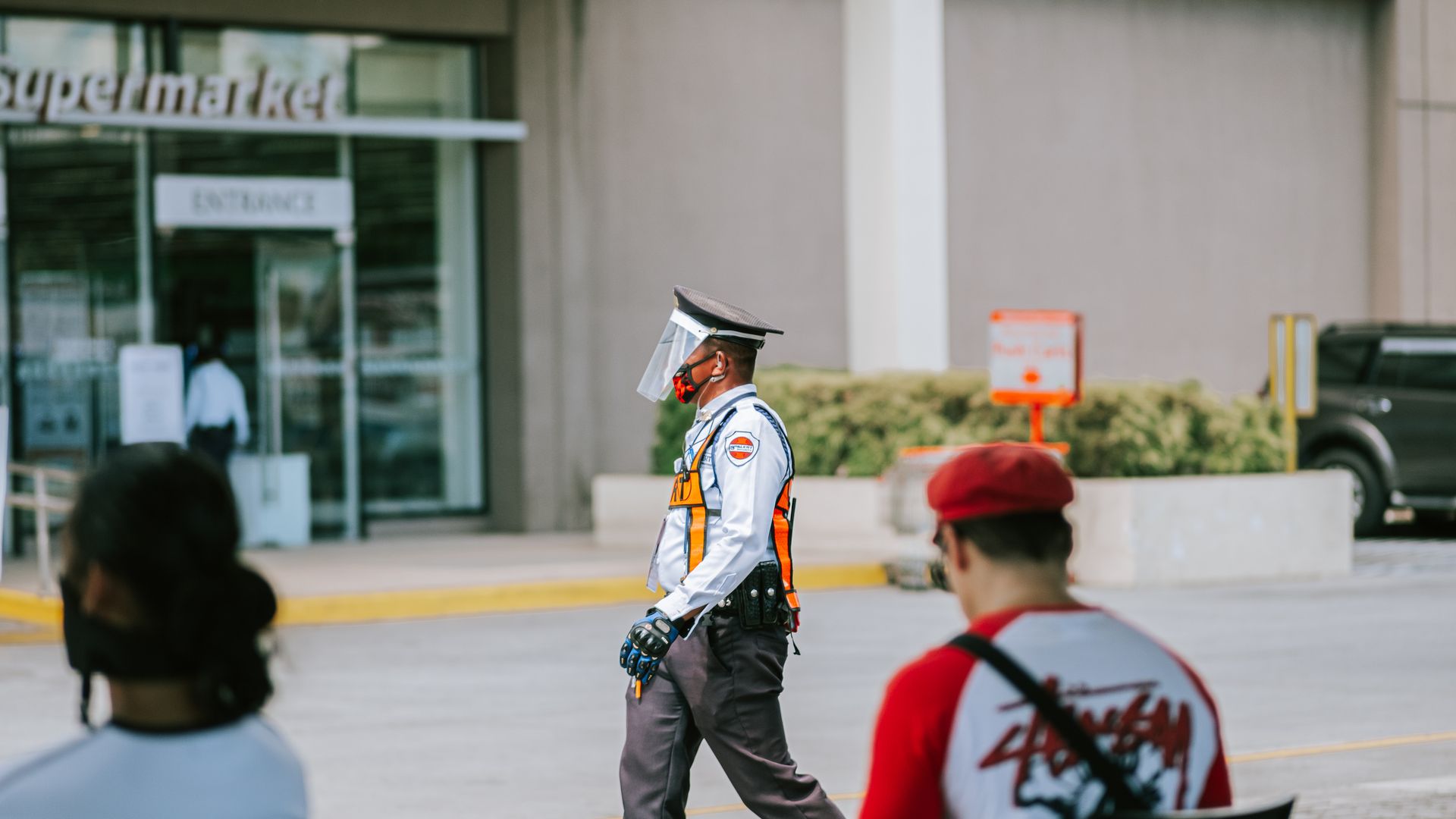
Security guards, who often work long and irregular shifts, may experience fatigue and decreased alertness. Modafinil’s potential to counteract these effects has made it a subject of interest for security professionals. However, it’s essential to approach this off-label use with caution and under medical supervision.
Modafinil for Security Guards: Benefits and Considerations
The use of modafinil for security guards is a controversial topic, as it involves the off-label use of a prescription medication. While some security professionals may find it beneficial, there are important considerations regarding its safety, effectiveness, and ethical implications.
Benefits of Modafinil for Security Guards
Modafinil’s ability to enhance alertness and cognitive function can be advantageous for security guards. Here are some potential benefits:
- Improved Vigilance: Security guards often need to maintain high levels of vigilance during their shifts, especially when monitoring sensitive areas or responding to emergencies. Modafinil can help sustain alertness, allowing guards to stay focused and attentive.
- Reduced Fatigue: Long shifts and irregular schedules can lead to fatigue, which may impair decision-making and reaction times. Modafinil’s wakefulness-promoting effects can help security guards combat fatigue, ensuring they remain alert and responsive.
- Enhanced Cognitive Performance: Security guards may encounter situations that require quick thinking and problem-solving skills. Modafinil’s cognitive-enhancing properties can improve concentration, memory, and decision-making abilities, enabling guards to perform their duties more effectively.
According to a study published in the Journal of Sleep Research, modafinil significantly improved performance on a sustained attention task, indicating its potential to enhance vigilance in demanding situations.
Considerations and Potential Risks
While modafinil may offer benefits for security guards, it’s crucial to consider the potential risks and side effects. Here are some key points to keep in mind:
- Medical Supervision: Modafinil is a prescription medication, and its use should be overseen by a qualified healthcare professional. Security guards should consult with a doctor to determine if modafinil is suitable for their specific needs and to ensure proper dosage and monitoring.
- Side Effects: Like any medication, modafinil can cause side effects. Common side effects include headaches, nausea, dizziness, and insomnia. While these are generally mild and temporary, they can impact performance. Severe side effects, though rare, may include allergic reactions and psychiatric symptoms.
- Dependence and Tolerance: Modafinil is generally considered to have a low potential for dependence. However, long-term use may lead to tolerance, requiring higher doses to achieve the same effects. It’s important to use modafinil responsibly and follow medical advice to minimize the risk of dependence.
- Ethical Considerations: The use of modafinil for security guards raises ethical questions. Security professionals should consider the potential impact on their performance, the safety of others, and the fairness of using performance-enhancing substances in a professional setting.
As the team at Modafinil emphasizes, responsible use of smart drugs is essential. While modafinil may offer benefits, it’s crucial to prioritize safety and ethical considerations.
How Does Modafinil for Security Guards Work?
Modafinil’s mechanism of action in security guards is similar to its effects in other populations. It primarily influences the brain’s neurotransmitters, particularly dopamine and histamine, to enhance wakefulness and cognitive function. This unique action sets modafinil apart from traditional stimulants.
When security guards take modafinil, it works by increasing the levels of dopamine and histamine in the brain. Dopamine is a neurotransmitter associated with reward, motivation, and attention, while histamine is involved in regulating wakefulness and arousal. By influencing these neurotransmitters, modafinil can improve alertness, focus, and cognitive performance.
Unlike stimulants like caffeine or amphetamines, modafinil does not directly increase dopamine release. Instead, it inhibits the reuptake of dopamine, leading to increased dopamine levels in the synaptic cleft. This action contributes to modafinil’s cognitive-enhancing effects without the typical stimulant side effects.
Additionally, modafinil’s impact on histamine release plays a crucial role in promoting wakefulness. Histamine is a neurotransmitter that regulates the sleep-wake cycle, and modafinil’s ability to enhance histamine release contributes to its wakefulness-promoting effects. This mechanism is particularly relevant for security guards who need to maintain alertness during long shifts.
It’s important to note that while modafinil’s mechanism of action is well-studied, its exact effects on security guards may vary. Individual responses to modafinil can differ, and factors such as dosage, tolerance, and personal physiology can influence its effectiveness. As always, medical supervision is essential to ensure safe and effective use.
Is Modafinil Safe for Security Guards?
The safety of modafinil for security guards is a critical consideration, as it involves the off-label use of a prescription medication. While modafinil has been extensively studied and is generally well-tolerated, there are potential side effects and risks to be aware of.
Side Effects and Risks
Modafinil is generally considered safe when used as prescribed and under medical supervision. However, like any medication, it can cause side effects. Common side effects include headaches, nausea, dizziness, and insomnia. These side effects are usually mild and temporary, but they can impact performance and should be monitored.
Rare but serious side effects may also occur, such as allergic reactions, psychiatric symptoms, and cardiovascular issues. It’s crucial for security guards to be aware of these potential risks and to seek medical advice if they experience any adverse effects.
Medical Supervision and Dosage
The safety of modafinil for security guards is closely tied to proper medical supervision and dosage. Security guards should consult with a healthcare professional to determine if modafinil is suitable for their needs and to establish an appropriate dosage. Medical supervision ensures that potential risks are minimized and that any side effects are managed effectively.
Dosage recommendations may vary depending on individual factors and the specific security guard’s needs. It’s essential to follow medical advice and not exceed the prescribed dosage. Overdosing or taking modafinil without medical guidance can increase the risk of adverse effects.
As discussed in Modalert 200 Dosage: Finding the Right Balance, finding the optimal dosage is crucial for maximizing benefits and minimizing risks. For security guards, this balance is particularly important to ensure they can perform their duties safely and effectively.
Ethical Considerations of Modafinil for Security Guards
The use of modafinil for security guards raises important ethical questions regarding performance enhancement and fairness in the workplace. While modafinil may offer benefits, it’s essential to consider the potential impact on security professionals and the industry as a whole.
Performance Enhancement and Fairness
Modafinil’s ability to enhance cognitive function and reduce fatigue can be seen as a performance-enhancing advantage for security guards. However, this raises concerns about fairness. Should security guards be allowed to use modafinil to gain an edge over their colleagues who choose not to use it? How does this impact the overall fairness of the security industry?
Security guards who use modafinil may experience improved performance, but this could create a perception of inequality among their peers. It’s crucial to consider the potential impact on team dynamics and the overall work environment.
Safety and Responsibility
The safety of security guards and the public they serve is a paramount concern. While modafinil may enhance performance, it’s essential to ensure that its use does not compromise safety. Security guards should be aware of potential side effects and risks, especially those that could impact their ability to respond to emergencies or make critical decisions.
Additionally, the use of modafinil for security guards should be accompanied by a strong sense of responsibility. Security professionals should understand the potential consequences of modafinil use and ensure they are making informed decisions. This includes seeking medical advice, following dosage guidelines, and being vigilant for any adverse effects.
Legal and Regulatory Aspects
The legal and regulatory landscape surrounding modafinil use is complex and varies across jurisdictions. Security guards should be aware of the legal status of modafinil in their region and ensure they are using it in compliance with local laws and regulations. Misuse or illegal use of modafinil can have serious consequences.
As the team at Modafinil emphasizes, responsible use of smart drugs like modafinil is essential. Security guards should approach modafinil with caution, considering its potential benefits, risks, and ethical implications.
Modafinil for Security Guards: Practical Considerations
For security guards considering the use of modafinil, there are several practical aspects to keep in mind. These considerations can help ensure a safe and responsible approach to modafinil use.
Consulting a Healthcare Professional
Before using modafinil, security guards should consult with a qualified healthcare professional. This consultation is crucial for several reasons. Firstly, a healthcare professional can assess the security guard’s medical history and current health status to determine if modafinil is safe and appropriate for them. They can also provide guidance on dosage and potential side effects.
Secondly, a healthcare professional can help security guards understand the potential risks and benefits of modafinil use. This includes discussing the ethical considerations and ensuring that security guards are making informed decisions. Healthcare professionals can also monitor the security guard’s progress and adjust the treatment plan as needed.
Dosage and Timing
The dosage and timing of modafinil use are critical factors. Security guards should follow the dosage recommendations provided by their healthcare professional. Typically, modafinil is taken in the morning to promote wakefulness during the day. However, the specific timing and dosage may vary depending on individual needs and shift schedules.
It’s important to note that modafinil is not a substitute for adequate rest and sleep. Security guards should prioritize getting sufficient sleep and maintaining a healthy sleep schedule. Modafinil should be used as a supplementary measure to enhance alertness during shifts, not as a replacement for sleep.
Potential Interactions and Contraindications
Security guards should be aware of potential drug interactions and contraindications when using modafinil. Modafinil may interact with other medications, including certain antidepressants, antipsychotics, and anticonvulsants. It’s crucial to disclose all medications to the healthcare professional to avoid potential adverse reactions.
Additionally, security guards with certain medical conditions, such as cardiovascular disease or liver impairment, may need to exercise caution or avoid modafinil altogether. A thorough medical assessment is essential to identify any contraindications and ensure safe use.
As covered in Modafinil for Surgeons, responsible use of modafinil requires careful consideration of individual health factors and medical advice.
Modafinil vs. Natural Nootropics: Which Is Better for Security Guards?
When considering cognitive enhancement, security guards may wonder about the comparison between modafinil and natural nootropics. Both options have their advantages and considerations, and understanding the differences can help security guards make informed choices.
Modafinil: A Prescription Option
Modafinil is a prescription medication, which means it has undergone rigorous testing and regulatory approval. Its safety and effectiveness are well-documented, and it is generally considered safe when used as prescribed and under medical supervision. Modafinil’s mechanism of action is well-understood, and its cognitive-enhancing effects are supported by scientific research.
However, modafinil’s prescription status also means that it may not be readily accessible to everyone. Security guards may need to consult a healthcare professional and obtain a prescription to use modafinil. This process ensures proper medical supervision but may be less convenient for some individuals.
Natural Nootropics: An Alternative Approach
Natural nootropics, on the other hand, refer to substances derived from natural sources, such as plants and herbs, that are believed to have cognitive-enhancing properties. These substances are often available over the counter and may be more accessible to security guards without a prescription.
While natural nootropics can offer cognitive benefits, their effects may vary widely. The quality and purity of natural nootropics can be inconsistent, and their mechanisms of action are often less well-understood compared to prescription medications like modafinil. Additionally, natural nootropics may not have the same level of scientific research backing their effectiveness.