Modafinil for Security Guards: Unlocking the Potential of Smart Drugs
Modafinil for security guards is a topic that has gained significant attention in the field of occupational health and safety. Security guards are responsible for protecting people, property, and assets, often working long and irregular hours. These demanding shifts can lead to fatigue, reduced alertness, and impaired decision-making abilities, which may compromise the safety and security of the premises they are guarding. Modafinil, a medication typically used to treat sleep disorders, has emerged as a potential solution to enhance the performance and alertness of security guards, ensuring they remain vigilant and focused during their shifts.
Quick Answer:
Modafinil is a medication that can be beneficial for security guards by promoting wakefulness, improving cognitive function, and enhancing overall performance. It helps security personnel stay alert during long shifts, particularly during the night, by reducing fatigue and improving concentration. However, it should be used under medical supervision, as it may have side effects and interactions with other medications.

Understanding Modafinil and Its Uses
Modafinil is a eugeroic medication, primarily prescribed for the treatment of sleep disorders such as narcolepsy, shift work sleep disorder, and obstructive sleep apnea. It is a central nervous system stimulant that promotes wakefulness and alertness by influencing the levels of certain neurotransmitters in the brain, particularly dopamine and histamine. Modafinil has been extensively studied and has shown to be effective in improving wakefulness and reducing excessive daytime sleepiness in patients with these conditions.
The medication works by increasing the release of these neurotransmitters, which play a crucial role in regulating the sleep-wake cycle. By modulating the activity of these neurotransmitters, modafinil helps to maintain wakefulness and improve alertness, making it a valuable tool in the management of sleep disorders. Additionally, modafinil has been found to have cognitive-enhancing effects, improving attention, memory, and problem-solving abilities. These effects have led to its off-label use in various other conditions, including attention deficit hyperactivity disorder (ADHD) and depression.
Modafinil for Security Guards: Enhancing Performance and Vigilance
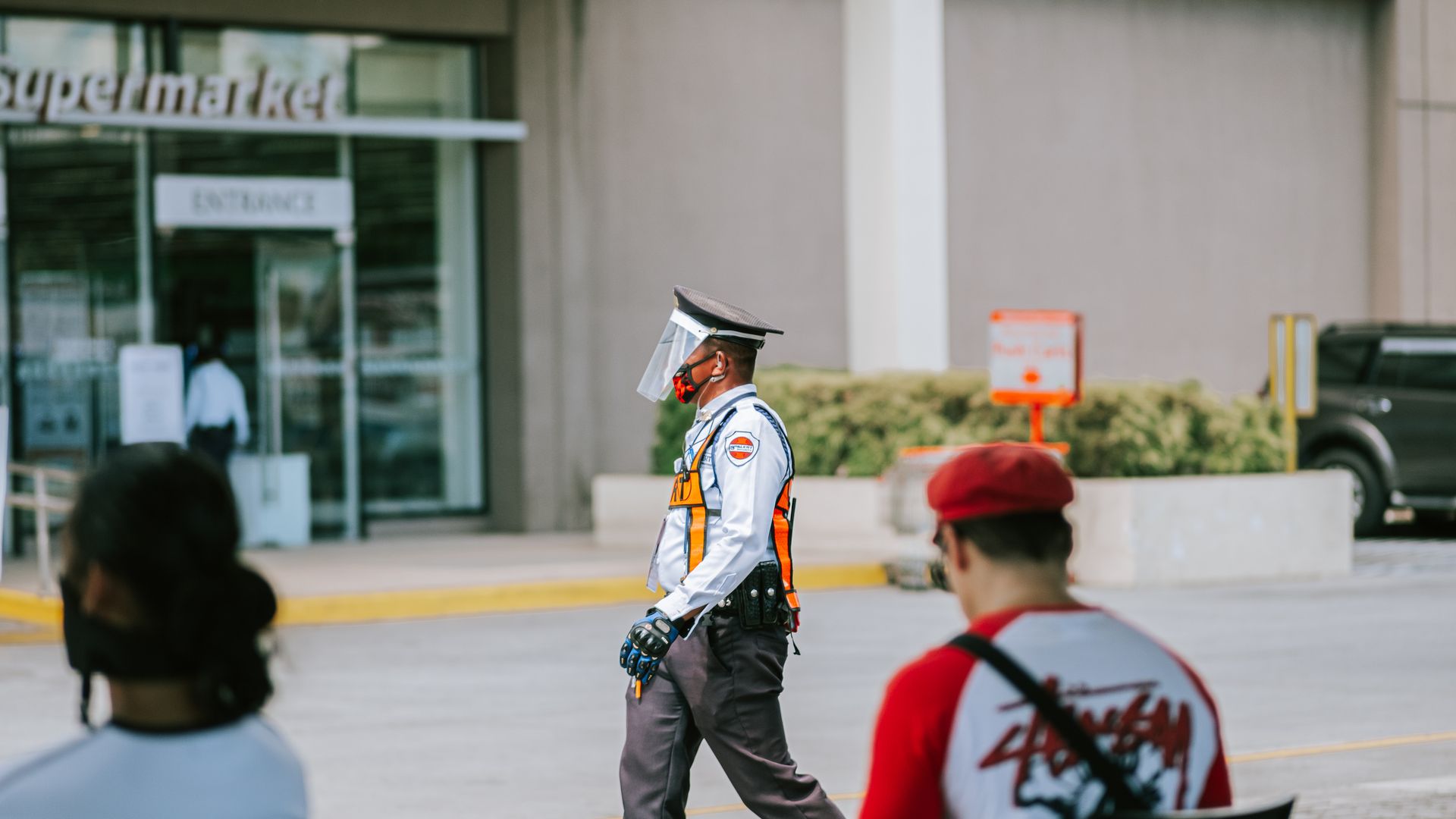
The demanding nature of security guard work often requires long hours of vigilance and concentration, particularly during night shifts. Security guards are expected to maintain a high level of alertness to detect and respond to potential threats, which can be challenging due to the inherent fatigue and circadian rhythm disruptions associated with shift work. Modafinil, with its wakefulness-promoting and cognitive-enhancing properties, has been suggested as a potential solution to improve the performance and alertness of security guards.
Research has shown that modafinil can significantly improve performance in tasks requiring sustained attention and vigilance. In a study published in the Journal of Sleep Research, modafinil was found to enhance performance on a simulated driving task, reducing the number of errors and improving reaction times. This study highlights the potential benefits of modafinil in occupations that require sustained attention, such as security guards, pilots, and truck drivers.
The Science Behind Modafinil’s Effects on Security Guards
Neurotransmitter Modulation and Cognitive Enhancement
The mechanism through which modafinil exerts its effects on security guards is primarily through the modulation of neurotransmitters in the brain. As mentioned earlier, modafinil increases the release of dopamine and histamine, which are crucial for maintaining wakefulness and regulating the sleep-wake cycle. By influencing these neurotransmitters, modafinil helps to promote alertness and reduce the urge to sleep, allowing security guards to stay focused and vigilant during their shifts.
Additionally, modafinil has been found to have effects on other neurotransmitters, such as norepinephrine and glutamate, which are involved in cognitive processes like attention, memory, and decision-making. By enhancing the activity of these neurotransmitters, modafinil can improve cognitive function, leading to better performance in tasks that require complex thinking and problem-solving. This cognitive enhancement is particularly beneficial for security guards, as it enables them to make quick and accurate decisions in potentially dangerous situations.
Modafinil’s Impact on Sleep Regulation and Circadian Rhythms
Another key aspect of modafinil’s effects on security guards is its influence on sleep regulation and circadian rhythms. Security guards, especially those working night shifts, often experience disruptions in their natural sleep patterns, leading to excessive daytime sleepiness and impaired performance. Modafinil can help mitigate these issues by promoting wakefulness during the desired hours and improving sleep quality when it is time to rest.
Research has shown that modafinil can shift the timing of the circadian clock, allowing individuals to adapt to unusual work schedules more effectively. In a study published in the Journal of Clinical Sleep Medicine, modafinil was found to improve alertness and performance in shift workers, particularly during the night shift. This is crucial for security guards, as it enables them to maintain a high level of vigilance and responsiveness during the hours when most people are asleep, thereby ensuring the safety and security of the premises they are guarding.
How Modafinil Can Benefit Security Guards
The use of modafinil in security guards offers a range of potential benefits, primarily centered around enhancing performance, improving alertness, and promoting cognitive function. These benefits are particularly relevant in the context of the demanding and often unpredictable nature of security work.
Enhanced Performance and Vigilance
One of the primary benefits of modafinil for security guards is its ability to enhance performance and vigilance. Security guards are often required to maintain a high level of alertness and attention for extended periods, especially during night shifts or in situations where the risk of security breaches is high. Modafinil’s wakefulness-promoting effects can significantly improve their ability to stay focused and responsive, reducing the likelihood of errors or lapses in judgment.
In a study published in the Journal of Clinical Sleep Medicine, modafinil was found to improve performance on a range of cognitive tasks in sleep-deprived individuals. This suggests that modafinil can help security guards maintain their cognitive abilities even under conditions of sleep deprivation, which is a common challenge in this profession.
Improved Alertness and Concentration
Modafinil’s ability to enhance alertness and concentration is another significant benefit for security guards. Security work often involves monitoring various surveillance systems, conducting patrols, and making quick decisions in response to potential threats. Modafinil can help security guards stay mentally sharp, improving their ability to detect and respond to suspicious activities or security breaches.
Research has shown that modafinil can improve performance in tasks requiring sustained attention and vigilance. For security guards, this translates to better performance in monitoring activities, quicker reaction times in response to potential threats, and improved decision-making abilities. This is particularly important in high-risk environments, such as airports, government facilities, or large events, where security breaches can have severe consequences.
Cognitive Function and Decision-Making
The cognitive-enhancing effects of modafinil can significantly benefit security guards by improving their decision-making abilities. Security guards often need to make quick, critical decisions in response to unfolding situations, such as deciding whether to escalate a potential threat or how to respond to an emergency. Modafinil’s impact on cognitive function can help them process information more effectively, leading to more accurate and timely decisions.

In addition to its effects on decision-making, modafinil can also improve other aspects of cognitive function, such as memory and problem-solving abilities. These cognitive enhancements can contribute to the overall effectiveness of security guards, enabling them to perform their duties with greater efficiency and precision. For instance, a security guard may need to recall specific procedures or protocols in an emergency, and modafinil’s memory-enhancing effects can facilitate this process.
Safety, Side Effects, and Legal Considerations
While modafinil for security guards offers potential benefits, it is essential to consider the safety, side effects, and legal implications associated with its use.
Safety and Side Effects
Modafinil is generally considered safe when used as prescribed, but like all medications, it can cause side effects. Common side effects include headache, nausea, nervousness, and difficulty sleeping. These side effects are usually mild and temporary, but they can impact the performance of security guards, particularly if they are new to the medication. It is crucial for security guards to be aware of these potential side effects and to report any persistent or severe symptoms to their healthcare provider.
In rare cases, modafinil can cause more serious side effects, such as severe rash, allergic reactions, or psychiatric symptoms. Security guards should be vigilant for these symptoms and seek immediate medical attention if they occur. Additionally, modafinil may interact with other medications, potentially altering its effectiveness or increasing the risk of side effects. Security guards should inform their healthcare provider about all medications they are taking to ensure safe use.
Legal Status and Prescriptions
The legal status of modafinil varies across countries and regions. In many places, including the United Kingdom, modafinil is a prescription-only medication, meaning it can only be obtained legally with a valid prescription from a licensed healthcare professional. Security guards interested in using modafinil should consult with a healthcare provider to determine if it is appropriate for their specific needs and to ensure they are using it safely and legally.
The team at Modafinil emphasizes the importance of responsible use and encourages security guards to explore alternative strategies for managing fatigue and improving performance, such as optimizing sleep schedules, adopting healthy lifestyle habits, and considering cognitive enhancement techniques. These approaches can be used in conjunction with or as an alternative to modafinil, depending on individual needs and circumstances.
Frequently Asked Questions
Is modafinil safe for long-term use by security guards?
Modafinil is generally considered safe for long-term use when prescribed by a healthcare professional and used as directed. However, long-term use may be associated with certain risks, such as the development of tolerance or potential side effects. Security guards should have regular check-ups with their healthcare provider to monitor their health and adjust the treatment as needed.

Can modafinil replace sleep for security guards working long shifts?
No, modafinil should not be used as a replacement for sleep. While it can promote wakefulness and improve alertness, it does not provide the restorative benefits of sleep. Security guards should prioritize getting adequate sleep whenever possible and use modafinil as a supplementary tool to enhance performance during shifts.
How does modafinil compare to other cognitive enhancers for security guards?
Modafinil is a well-studied and effective eugeroic medication, offering a balance between wakefulness promotion and cognitive enhancement. Other cognitive enhancers, such as natural nootropics, may have varying effects and safety profiles. Security guards should consult with healthcare professionals to determine the most suitable option for their needs. Learn more about the comparison between modafinil and natural nootropics to make an informed decision.
Are there any legal implications for security guards using modafinil?
The legal implications of using modafinil vary by jurisdiction. In many places, including the UK, modafinil is a prescription-only medication. Security guards should ensure they are using modafinil legally by obtaining a valid prescription from a licensed healthcare provider. It is also essential to be aware of any workplace policies or regulations regarding the use of performance-enhancing substances.
What are the potential risks of combining modafinil with other medications or substances?
Modafinil may interact with other medications, including certain antidepressants, antifungal medications, and anticonvulsants. These interactions can alter the effectiveness of modafinil or increase the risk of side effects. Security guards should inform their healthcare provider about all medications they are taking to ensure safe use. Additionally, combining modafinil with other stimulants or alcohol can have unpredictable effects and should be avoided.

Modafinil for security guards is a topic that warrants careful consideration, balancing the potential benefits of enhanced performance and alertness with the safety, side effects, and legal implications of its use. Security guards, healthcare professionals, and employers should work together to ensure that modafinil is used responsibly and in accordance with individual needs and legal requirements. As the field of occupational health and safety continues to evolve, the role of smart drugs like modafinil in enhancing performance and safety will likely be an area of ongoing research and discussion.
For more information on modafinil and its various applications, visit the Modafinil website, where you can explore comprehensive guides on topics such as Flmodafinil, shift work sleep disorder treatment, and modafinil usage. Stay informed and make educated decisions regarding your health and performance.