
Modafinil Customs Regulations: Navigating the Legal Landscape
Modafinil customs regulations are a crucial aspect of buying and selling this popular eugeroic medication. Understanding these regulations is essential for both consumers and vendors to ensure compliance with the law and avoid potential legal issues.
In this comprehensive guide, we’ll delve into the world of modafinil customs regulations, covering everything from the basics to advanced considerations. By the end, you’ll have a thorough understanding of the legal landscape surrounding this drug and how to navigate it safely and responsibly.

What Are Modafinil Customs Regulations?
Quick Answer: Modafinil customs regulations are the laws and rules governing the import, export, and trade of modafinil, a prescription medication used to treat sleep disorders. These regulations vary by country and region and are essential for buyers and sellers to understand.
Modafinil customs regulations are a set of laws and guidelines that govern the international trade and transportation of modafinil, a popular eugeroic medication. These regulations are designed to ensure the safe and legal movement of this drug across borders, protecting both consumers and vendors from potential risks and legal consequences.
The specifics of modafinil customs regulations can vary significantly depending on the country or region. For instance, in the United States, modafinil is classified as a Schedule IV controlled substance, which means it is tightly regulated and requires a valid prescription for legal possession. In contrast, some countries may have more relaxed regulations or even allow modafinil to be sold over the counter.
The Importance of Modafinil Customs Regulations
Modafinil customs regulations serve several critical purposes in the global pharmaceutical trade. Firstly, they help ensure the safety and quality of the medication. By implementing strict controls, customs authorities can verify the authenticity of the product, reducing the risk of counterfeit or substandard drugs entering the market.
Secondly, these regulations play a vital role in preventing the misuse and abuse of modafinil. As a prescription medication, it is essential to control its distribution and use. Customs regulations help enforce prescription requirements, deterring illegal use and ensuring that the drug is only available to those who need it for legitimate medical reasons.
Lastly, modafinil customs regulations contribute to the overall security and integrity of the pharmaceutical supply chain. They help prevent the illegal trade of modafinil, which can have serious health and legal consequences. By enforcing these regulations, customs authorities protect the public from potential harm and maintain the integrity of the healthcare system.
Common Issues and Challenges
Despite the importance of modafinil customs regulations, navigating this legal landscape can be challenging for both buyers and sellers. Here are some common issues and challenges that individuals may encounter:
1. Import Restrictions
One of the most significant challenges is understanding and complying with import restrictions. Different countries have varying regulations regarding the importation of modafinil. Some may require a valid prescription, while others may have strict quantity limits or even prohibit the importation of this medication altogether.
For example, in the UK, modafinil is a prescription-only medication, and individuals must provide a valid prescription to import it. The UK Border Force provides guidance on the importation of medicines, including modafinil. According to their regulations, individuals can import up to three months’ supply of prescription medication for personal use, provided they have a valid prescription.
2. Customs Inspections and Seizures
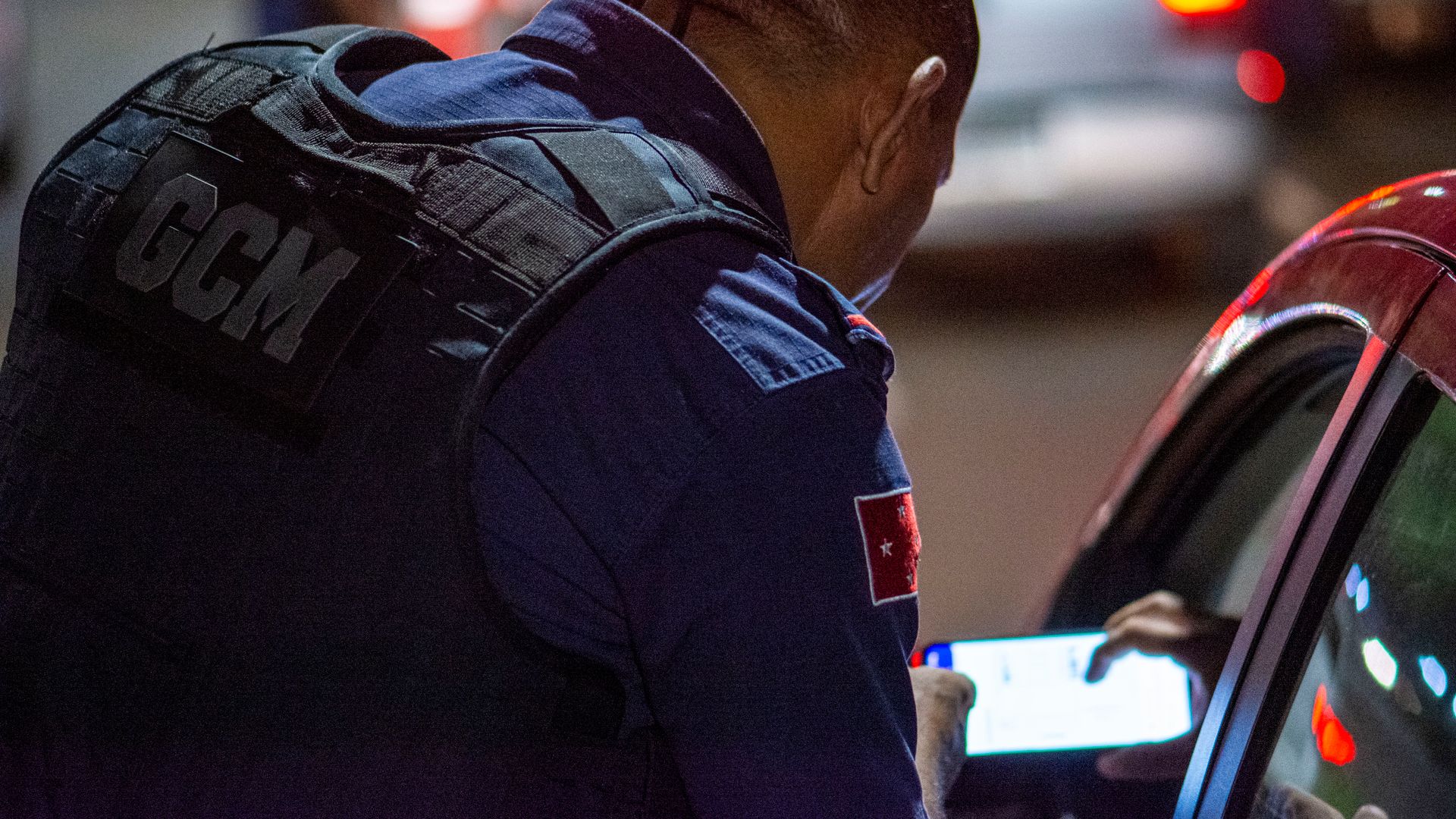
Customs inspections are a routine part of international trade, but they can be a source of anxiety for modafinil buyers and sellers. Customs officers may inspect packages containing modafinil to ensure compliance with regulations. In some cases, they may seize the medication if it is found to be non-compliant.
It’s essential to understand the customs inspection process and be prepared for potential delays or inquiries. Providing accurate and complete documentation, such as a prescription or a letter from a healthcare professional, can help facilitate the clearance process and reduce the risk of seizure.
3. Online Vendors and Legality
The rise of online pharmacies and e-commerce platforms has made it easier than ever to purchase modafinil. However, this convenience comes with its own set of challenges. Many online vendors operate in a legal grey area, and some may not comply with local regulations.
As a buyer, it’s crucial to exercise caution when purchasing modafinil online. Always verify the legitimacy and reputation of the vendor, and ensure they comply with the modafinil customs regulations in your country. As covered by Modafinil, buying modafinil online requires careful consideration and research to ensure a safe and legal purchase.
Best Practices for Buying and Selling Modafinil
To navigate the complex world of modafinil customs regulations successfully, it’s essential to follow best practices. Here are some guidelines for both buyers and sellers:
For Buyers
- Obtain a Valid Prescription: Always ensure you have a valid prescription for modafinil from a licensed healthcare professional. This is essential for legal importation and use in most countries.
- Research Local Regulations: Familiarize yourself with the modafinil customs regulations in your country. Understand the import restrictions, prescription requirements, and any other relevant rules.
- Choose Reputable Vendors: When buying modafinil online, select vendors who comply with local regulations and have a good reputation. Check reviews and seek recommendations from trusted sources, as suggested in Modafinil’s guide to buying modafinil online.
- Provide Accurate Documentation: During customs inspections, ensure you have all the necessary documentation, including your prescription and any supporting letters or certificates. This can help expedite the clearance process.
For Sellers
- Comply with Local Laws: As a vendor, it is your responsibility to understand and comply with the modafinil customs regulations in your country. Ensure you have the necessary licenses and permits to sell this medication legally.
- Provide Transparent Information: Be transparent about the product, its origin, and any relevant regulations. Educate your customers about the legal requirements and potential risks associated with modafinil.
- Offer Support and Guidance: Assist your customers in understanding the customs regulations and provide them with the necessary documentation for a smooth import process. This can enhance customer satisfaction and build trust.
By following these best practices, both buyers and sellers can reduce the risk of legal issues and ensure a smoother experience when dealing with modafinil customs regulations.
The Future of Modafinil Customs Regulations
The world of modafinil customs regulations is constantly evolving, influenced by changes in legislation, international agreements, and the pharmaceutical industry. As the popularity of modafinil continues to grow, so does the need for effective and adaptable regulations.
In recent years, there has been a growing trend towards harmonizing customs regulations across different countries. This is particularly evident in regions like the European Union, where efforts are being made to standardize the import and export procedures for pharmaceutical products, including modafinil. Such harmonization can simplify the customs process for both buyers and sellers, reducing the complexity of navigating multiple sets of regulations.
Additionally, advancements in technology are playing a significant role in shaping the future of modafinil customs regulations. The implementation of electronic systems for customs declarations and clearance can streamline the process, making it more efficient and secure. These systems can also facilitate data sharing and collaboration between customs authorities, further enhancing the effectiveness of modafinil customs regulations.
However, as the global landscape changes, so do the challenges. The rise of online pharmacies and the increasing popularity of modafinil as a cognitive enhancer among healthy individuals pose new regulatory challenges. Striking a balance between ensuring access to those who need modafinil for medical reasons and controlling its misuse is a delicate task for customs authorities.

Looking ahead, the future of modafinil customs regulations is likely to be characterized by ongoing adaptation and refinement. As the pharmaceutical industry evolves, so too must the regulations that govern it. By staying informed and adhering to the best practices outlined in this guide, individuals can navigate the complexities of modafinil customs regulations with confidence and peace of mind.
Frequently Asked Questions
What is the legal status of modafinil in the United States?
In the United States, modafinil is classified as a Schedule IV controlled substance. This means it is tightly regulated, and a valid prescription is required for legal possession and use. Importation of modafinil is permitted with a prescription, but it must comply with the regulations set by the U.S. Customs and Border Protection.
Can I buy modafinil online without a prescription?
While it may be possible to find online vendors selling modafinil without a prescription, it is generally not recommended. Buying modafinil without a prescription is illegal in many countries, including the U.S. and the UK. It is essential to understand the legalities of buying modafinil and the potential risks associated with purchasing it without a prescription.
How can I ensure my modafinil shipment clears customs smoothly?
To increase the chances of a smooth customs clearance, ensure you have a valid prescription and provide accurate documentation. Choose reputable vendors who comply with modafinil customs regulations. For more guidance, refer to the best practices outlined in this article.
Are there any countries where modafinil is not regulated?
The regulation of modafinil varies by country. While some countries have strict controls, others may have more relaxed regulations. It’s essential to research the specific modafinil customs regulations in your country or destination before buying or selling this medication.
What should I do if my modafinil shipment is seized by customs?
If your modafinil shipment is seized by customs, it’s crucial to understand your rights and options. Contact the customs authority to inquire about the reason for the seizure and the steps to retrieve your medication. It may be necessary to provide additional documentation or proof of prescription. Remember, customs authorities are responsible for enforcing modafinil customs regulations, and cooperation is essential to resolve such situations.